Ximending’s Old Haunts
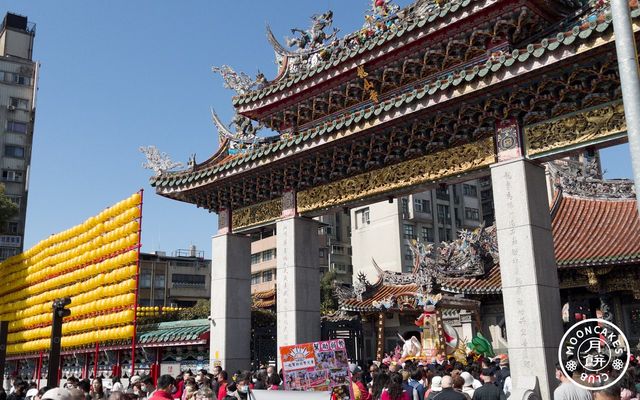
Ximending is best known as the Shibuya of Taipei, site of flash mobs and pop up concerts. Yet it sits at the north edge of historic Wanhua, and was once the post-war city centre.
Tourists are sold the kitschy cafés, K-beauty shops, and fashion hawkers. But what I love most about Ximending are the buildings and shops as old as the neighbourhood itself. Those are what I’ll introduce in this post.
Attractions
Bopiliao Historic Block • 剝皮寮老街
Lane 173, Kangding Rd • 台北市萬華區康定路173巷A block of Qing-era buildings nestled behind Lao Song Elementary School. Once part of the school grounds, the block was slated for demolition if the elementary school — which had 11,100 students in 1966 — needed to expand even more. However, as Taipei’s population expanded east, the buildings stayed intact. They are now officially preserved.
There isn’t too much to do here, but it’s worth a quick detour if you like old buildings.
Lungshan Temple • 龍山寺
211 Guangzhou St • 台北市萬華區廣州街211號This is the first temple I think of when someone mentions temples in Taipei. Built in 1738, it’s a great example of Fujian architecture. Do not make the mistake of coming here during the Lunar New Year unless you love to be squished.
There’s a street market off the plaza in front of the temple if you get hungry or need some paper money.
The Red House • 紅樓劇場
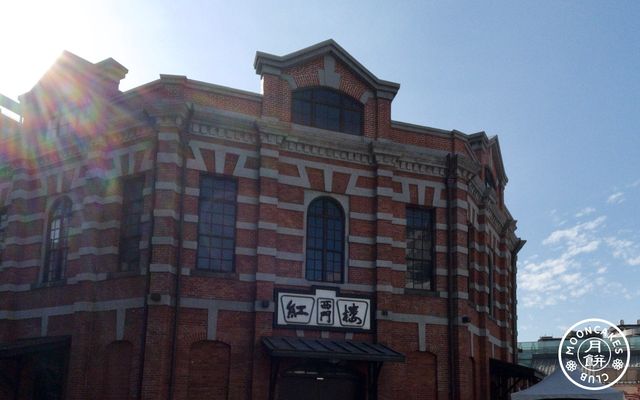
10 Chengdu Rd • 台北市萬華區成都路10號This historic building is right by Ximen Metro Station. Built in 1908, it’s been a movie theatre for most of its existence. It now has a gift shop with a variety of unique souvenirs, and an exhibition area with many stalls.
The courtyard is a major spot for Pride events, and a rainbow crosswalk is just around the corner.
Taipei City Archives • 臺北市立文獻館
174-1, Zhonghua Rd Sec 1, 台北市萬華區中華路1段174之1號The Taipei City Archives occupy the grounds of the former Taipei Nishi Honganji temple. After the Kuomintang moved to Taiwan in 1949, the grounds became home to 340 families. The temple and grounds burned in a massive fire in 1975, oddly enough the day Chiang Kai-shek died. The buildings that survived were restored in the early 2010s.
The Archives have a small rotating exhibit (in my experience: English brochure available, exhibit signage only in Mandarin). There is also a side building with an exhibit about Taipei’s city walls, which once stood just outside. The volunteers will be happy to chat your ear off (in Mandarin) about the history of the city wall and temple while pulling out a binder of archival photos.
Shops
Lautianlu • 老天祿
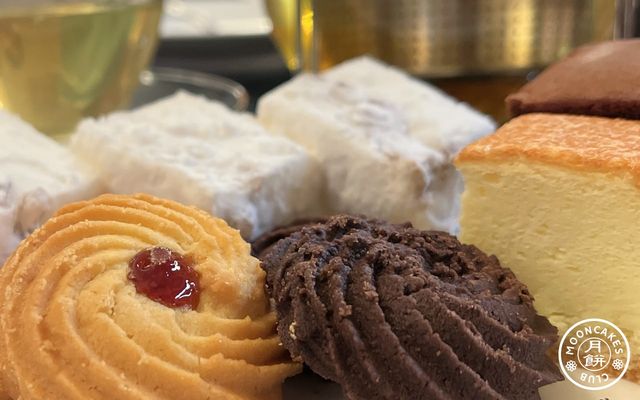
55, Wuchang St Sec 2 • 台北市萬華區武昌街二段55號Founded in 1949 and known for its Shanghai-style duck tongue & wings. Frequented by Andy Lau. I prefer their pastries like the mung bean gao (shortbread). They also have seasonal pastries in the run-up to Lunar New Year.
Snacks
Ay-Chung Flour-Rice Noodle • 阿宗麵線
8-1 Emei St • 台北市萬華區峨嵋街8之1號Founded 1975 and serves one thing: mi-sua. Get yours with oyster — Taiwanese oysters are small and soft — or with pork intestines. Despite the line-up this place is fast.
Café Astoria • 明星咖啡
7, Wuchang St Sec 1 • 台北市中正區武昌街一段7號Russian café founded by a Taiwanese Russophile and some White Army veterans in 1949. The White Army veterans, who had already fled Shanghai, soon left for the Americas, but the café stayed. It became a literary hotspot in the 1960s, and famous patrons live on in photo frames inside the café. It was also a favourite of first lady Faina Chiang.
The café upstairs is pricey, even by tourist standards, and I would not recommend it over other cafés in the area (though the borscht and fruit tea are good!) However you can pop by the first-floor bakery to buy a few small treats like pandan walnut zefir.
Fong Da Coffee • 蜂大咖啡
42 Chengdu Rd • 台北市萬華區成都路42號One of Taipei’s oldest coffee houses, dating from 1956. The window displays are full of jars of coffee beans, cookies, and pastries both Western and Taiwanese. Popular with tourists so you may not be able to get a seat — though check upstairs before you give up!
Nanmay Coffee • 南美咖啡
44 Chengdu Rd • 台北市萬華區成都路44號The other one of Taipei’s oldest coffee houses, also dating from 1956. They have a smaller snack menu and is less popular with tourists.
Simon’s Tempura • 賽門甜不辣
46, Kaifeng St Sec 2 • 台北市萬華區開封街二段46號Simon’s opened in 1958 and serves Taiwanese oden. Unlike Japanese oden, Taiwanese oden comes with sweet and sour sauce to beat the heat.
Snow King • 雪王冰淇淋
2F, 65, Wuchang St Sec 1 • 台北市萬華區武昌街一段65號2樓Founded in 1947, Snow King is an ice cream shop with lots of unique flavours. There’s even some savoury flavours like pork knuckle and sesame oil chicken for people who don’t like sweet flavours. English menus are available.
This is the one Ximending shop I insist on bringing visitors to. Unlike many Taipei snack shops, it closes early around 8pm. Plan ahead!
Restaurants
The Duck House • 鴨肉扁
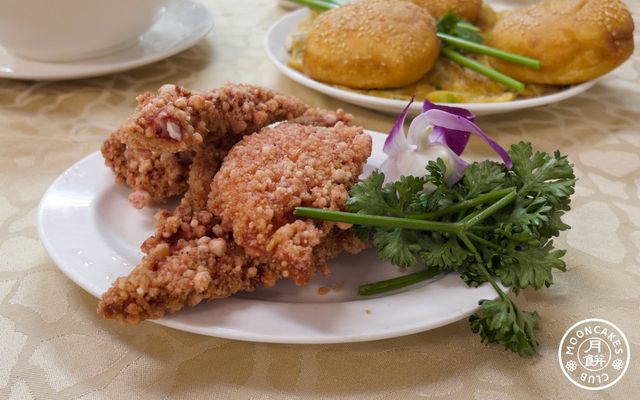
98-2, Zhonghua Rd Sec 1 • 台北市萬華區中華路一段98之2號Despite the name, this store only serves geese. It’s famous for its goose vermicelli. They have some English signage.
Shinli Daya • 福州新利大雅餐廳
1F, 70 Kangding Rd • 台北市萬華區康定路70號1樓Serving Fuzhou cuisine, Shinli Daya is the kind of restaurant grandparents frequent on special occasions. They’re distinct for their many dishes with hongzhao (red lees). Their seafood vermicelli is also excellent.
Their menu and website have photos, but I’m not confident any of their staff can speak English.
中華餡餅粥
211 Kunming St • 台北市萬華區昆明街211號Northern-style restaurant for people who love dumplings, flatcakes, and all things wheat. Their Dalian huoshao (extra long potstickers) has crisp, paper-thin skin. Their beef roll is so crisp and so flaky, I could write odes to it.
This is a very local, hole-in-the-wall restaurant, so you will need working knowledge of Mandarin to visit.